Elements with tag competitiveness


Europêche, the representative body of the EU fishing industry, held high-level meetings last Friday with Commissioner Kadis and Fisheries Attachés from 12 Member States, under the Danish Presidency, to discuss the critical challenges ahead for European fisheries. The dialogue took place against the backdrop of decisive policy discussions on the future EU budget (2028–2034), fishing opportunities for 2026, ongoing negotiations with third countries, and the implementation of new control measures and trade agreements.


Yesterday, Europêche convened a strategic meeting with EU Member States, marking the first 120 days of the new Commission’s mandate. The meeting offered a timely opportunity to take stock of the progress made and review ongoing challenges and priorities. Reaffirming its commitment to a sustainable and competitive industry, Europêche called for urgent political action to move from words to action, revise unworkable legislation, eliminate excessive bureaucracy, and strike a better balance in fisheries policies.

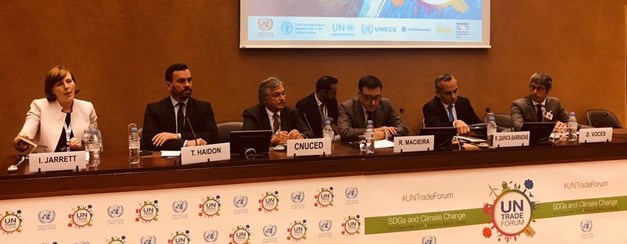
As part of the United Nations Sustainable Development Goals (SDGs) agenda, the World Trade Organisation (WTO) has been given a prominent role to regulate and discipline global fisheries subsidies. The main goal is to eliminate IUU1 subsidies and prohibit certain forms of fisheries subsidies that contribute to overcapacity and overfishing by 2020. In order to speed up the complex intergovernmental negotiations, a High Level Event on Trade, Climate Change and Oceans Economy took place in Geneva this week, where Europêche presented the huge progress made in Europe, to eliminate harmful subsidies and secure the sustainable and responsible management of fisheries resources.


European organisations representing the fishing, fish processing, aquaculture and trading sectors are calling on the European Commission to urgently correct and recalibrate the implementation of the EU Fisheries Control Regulation, including the CATCH IT system. In line with the joint statement submitted by Member States to the Agriculture and Fisheries Council , the sectors urge swift, targeted actions to address provisions that are proving unworkable in practice and that risk undermining safety at sea, legal certainty and the competitiveness of EU operators.